How Much Asphalt Do I Need? Complete Driveway & Road Guide
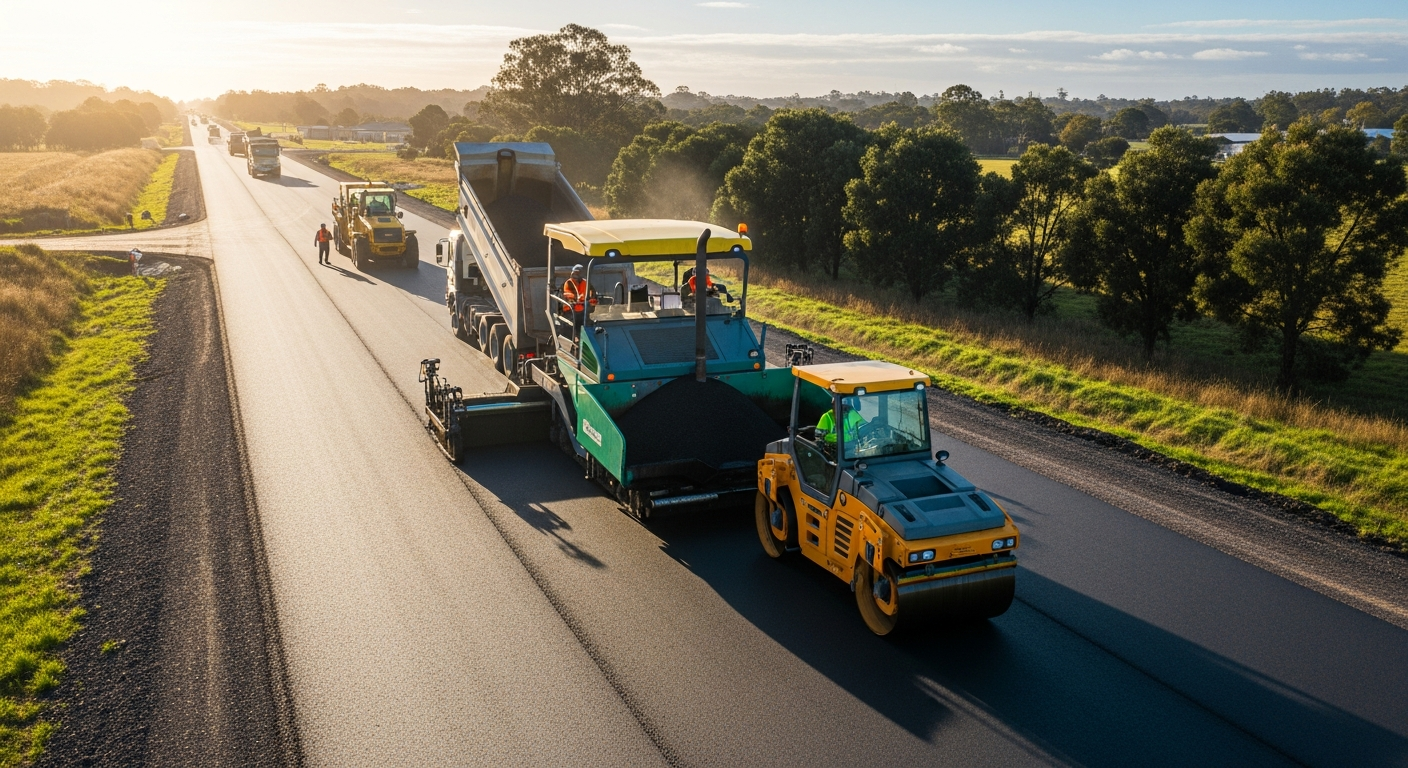
Whether you're paving a residential driveway, resurfacing a parking lot, or estimating material costs for a road construction bid, knowing exactly how much asphalt you need prevents both expensive overordering and frustrating shortfalls mid-project. This guide walks you through the complete calculation method — no guessing required.
The Asphalt Quantity Formula
Calculating asphalt quantity comes down to three measurements — length, width, and depth — and one physical constant: asphalt's density.
The 145 lbs/ft³ figure is the industry-standard density for hot mix asphalt (HMA), published by the National Asphalt Pavement Association (NAPA). Your actual material may vary slightly (typically ±5%) depending on aggregate type and mix design, which is why we recommend ordering 10% extra.
Step-by-Step Calculation Guide
Worked Example: Residential Driveway
Project: Single-car driveway, 10 ft wide × 40 ft long, 3-inch depth
How Much Asphalt by Project Type
Here are typical asphalt tonnage estimates for common project types:
| Project Type | Typical Size | Depth | Est. Tons |
|---|---|---|---|
| Single-car driveway | 10×30 ft | 3 in | 6 tons |
| Two-car driveway | 20×30 ft | 4 in | 14.5 tons |
| Small parking lot | 50×80 ft | 4 in | 96.7 tons |
| Residential road (100 ft) | 20×100 ft | 6 in | 145 tons |
Recommended Asphalt Depth by Use Case
Depth is the most critical variable in your asphalt calculation. Too thin and the surface will crack prematurely under load; too thick wastes money:
- Foot traffic path or patio: 1.5–2 inches
- Residential driveway (light vehicles): 2–3 inches
- Residential driveway (heavy SUVs/trucks): 3–4 inches
- Parking lot (passenger cars): 3–4 inches
- Parking lot (commercial trucks): 4–6 inches
- Road base course: 4–6 inches
- Road surface course: 1.5–2 inches additional
For areas with significant frost heave (Northern US states, Canada), add 1–2 inches to your planned depth to prevent cracking from freeze-thaw cycles.
Hot Mix vs. Cold Mix Asphalt: Does It Affect the Calculation?
The calculation formula above assumes hot mix asphalt (HMA), the standard product used for driveways and roads. If you're using cold mix asphalt (for pothole patching or emergency repairs), the density is slightly lower — typically 100–120 lbs/ft³ depending on the emulsified bitumen formulation.
For cold mix projects, you can adjust the density in our asphalt calculator — or contact your supplier for their specific product density.
Converting Between Units
Asphalt is sold in short tons in the US (2,000 lbs) and in metric tonnes elsewhere (1,000 kg / 2,204 lbs). If your supplier quotes in cubic yards or tonnes:
- 1 short ton of asphalt ≈ 0.91 metric tonnes
- 1 cubic yard of compacted asphalt ≈ 1.96 short tons
- 1 cubic metre of compacted asphalt ≈ 2.32 metric tonnes
Our asphalt calculator handles all unit conversions between imperial and metric automatically.
Common Calculation Mistakes
- Forgetting to convert depth to feet: Using 4 inches instead of 0.333 feet gives you a result 12× too large.
- Not accounting for sub-base: The asphalt calculator only covers the asphalt layer. Don't forget to separately estimate your gravel sub-base.
- Skipping the 10% buffer: Compaction rates and edge waste consistently consume 5–10% of your calculated tonnage.
- Using the wrong density: Porous asphalt (used in drainage applications) has a density of ~100 lbs/ft³, not 145 lbs/ft³.
Frequently Asked Questions
Related Tools & Articles
- Free Asphalt Calculator — get your exact tonnage in seconds
- Bitumen Calculator — for road mix quantity and bitumen content
- Asphalt vs. Concrete Driveway — which is right for your project?