Asphalt Cost Guide 2026: Prices Per Ton, Per Sq Ft, and Full Project Estimates
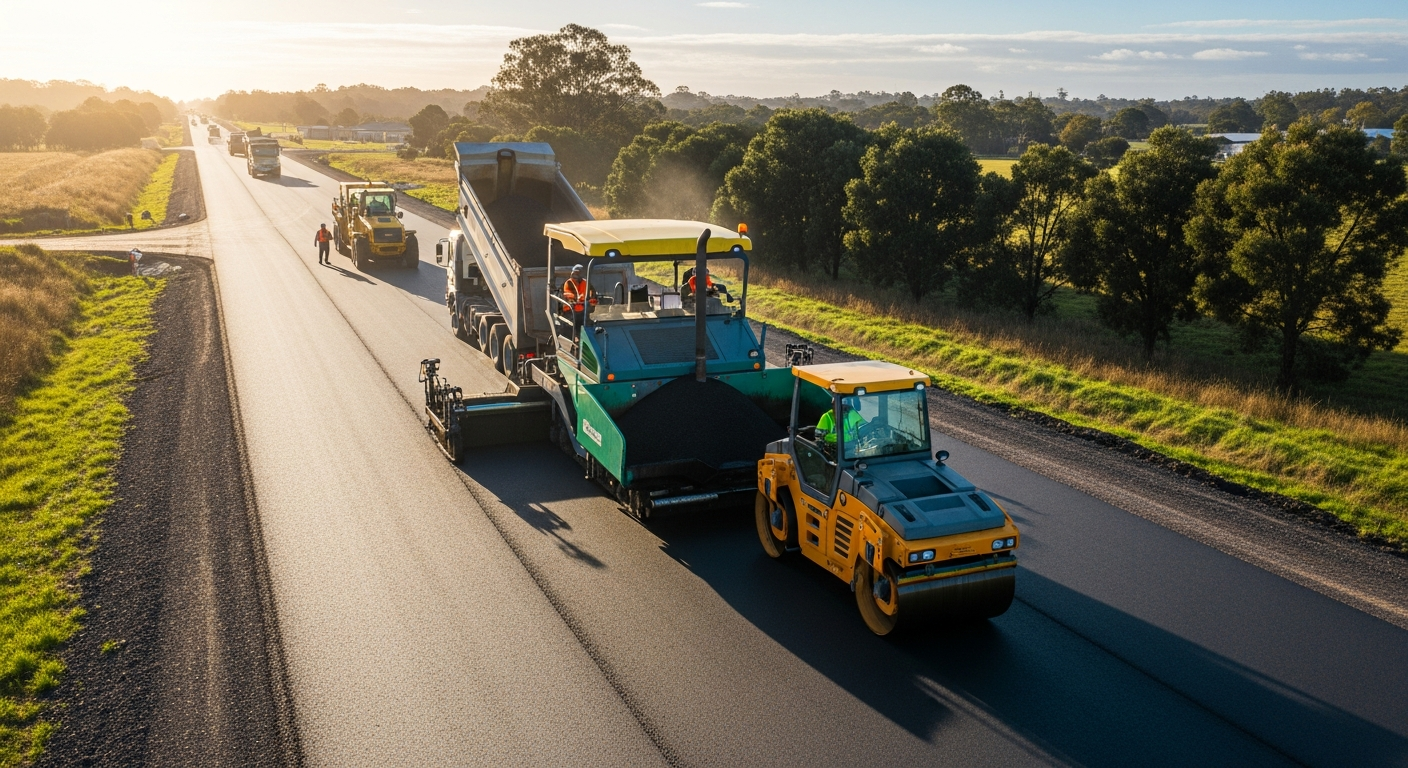
Asphalt prices fluctuate with crude oil markets, regional aggregate costs, and local labour rates. This 2026 guide gives you current pricing data across all project types so you can evaluate contractor quotes with confidence — and know when you are being fairly priced or significantly overcharged.
Asphalt Price Per Ton – 2026 National & Regional Breakdown
The price of hot mix asphalt (HMA) is directly tied to crude oil prices through its bitumen binder component, which constitutes roughly 5–6% of an asphalt mix by weight. When oil prices rise, asphalt prices follow with a typical 4–8 week lag. The 2026 pricing environment reflects moderate global oil prices following the volatility of the early 2020s.
| Region | Plant Gate (per ton) | Delivered (per ton) | Installed (per sq ft) |
|---|---|---|---|
| New England (ME, VT, NH, MA, RI, CT) | $130–$185 | $145–$210 | $5–$10 |
| Mid-Atlantic (NY, NJ, PA, MD, DE) | $120–$170 | $135–$195 | $5–$9 |
| Southeast (VA, NC, SC, GA, FL) | $85–$130 | $95–$150 | $3–$7 |
| Midwest (OH, IN, IL, MI, WI, MN) | $100–$150 | $115–$170 | $4–$8 |
| South Central (TX, OK, AR, LA, MS) | $80–$125 | $90–$145 | $3–$6 |
| Mountain (CO, UT, NV, AZ, NM) | $110–$165 | $125–$185 | $4–$9 |
| Pacific Coast (CA, OR, WA) | $115–$175 | $130–$200 | $5–$10 |
Cost by Project Type – Complete 2026 Price Ranges
| Project Type | Typical Size | Tons Required | Installed Cost (National Avg) |
|---|---|---|---|
| Small driveway (1 car) | 200–400 sq ft | 2.5–5 tons | $800–$2,800 |
| Standard driveway (2 car) | 600–800 sq ft | 7–10 tons | $2,400–$5,600 |
| Large driveway | 1,000–1,500 sq ft | 12–19 tons | $4,000–$10,500 |
| Small parking lot | 5,000–10,000 sq ft | 62–124 tons | $17,500–$70,000 |
| Large parking lot | 20,000–50,000 sq ft | 248–621 tons | $70,000–$350,000 |
| Private road (1 mile, 2 lanes) | ~56,000 sq ft | ~700 tons | $200,000–$500,000+ |
What's Included in an Asphalt Installation Quote
When contractors provide a per-square-foot price, that number should include several distinct cost components. Understanding what each contributes helps you evaluate competing quotes intelligently.
- Subgrade preparation (10–20% of total cost): Grading, removing existing pavement or vegetation, and compacting the soil subbase. Critical for long-term performance but sometimes omitted in low-ball quotes.
- Aggregate base (15–25% of total cost): Crushed stone or gravel base, typically 4–8 inches compacted. Essential for drainage and structural support. Some contractors bid asphalt-only and surprise you with a separate base charge.
- Hot mix asphalt materials (35–45% of total cost): The asphalt itself, binder course + surface course. This is where tonnage calculators apply. Our asphalt calculator gives you the precise tonnage to cross-check contractor material quantities.
- Labour and equipment (20–30% of total cost): Paving machine operation, roller compaction, edge finishing, and crew time. Labour rates vary significantly by region — highest in California, New England, and the Pacific Northwest.
- Mobilisation fee (0–10% of total cost): Some contractors charge a mobilisation fee for bringing equipment to the site. On small residential jobs, this can add $200–$800 to the bottom line.
Red Flags in Asphalt Contractor Quotes
After reviewing hundreds of asphalt contracts and contractor practices, here are the warning signs that a quote is too good to be true — and why it usually means you will pay more in the long run:
- No depth specification: A legitimate asphalt quote always specifies depth in inches. If the quote just says "asphalt paving — $4/sq ft," ask: what depth? A 1.5-inch asphalt layer will fail in 3–5 years on a vehicle driveway. You need minimum 3 inches for residential driveways.
- No base work included: Asphalt laid directly on poor soil or existing cracked pavement will fail regardless of material quality. If the quote explicitly excludes base preparation, get a separate sub-base quote or choose a different contractor.
- Suspiciously low per-ton material cost: Use our calculator to estimate the tonnage your project requires. If the contractor's quoted material tonnage is 30%+ lower than your calculation, they are likely underspecifying the depth to win the bid.
- Cash-only or unusually fast availability: High-quality paving contractors book 2–8 weeks in advance during peak season. Immediate availability mid-summer for a competitive price is unusual and worth scrutinizing.
- No written contract or permit mention: Most municipalities require permits for new driveway installations. A contractor who says "we never need permits" is likely cutting corners.
DIY Asphalt – Is It Practical for Homeowners?
Full hot mix asphalt installation requires a paving machine and steel drum roller — equipment that is not practical for DIY. However, there are three legitimate DIY asphalt applications:
- Crack filling: DIY asphalt crack filler (liquid rubber or cold-pour crack filler) is effective for cracks under 1/2 inch wide. Cost: $15–$40 per tube or gallon at hardware stores. Effective life: 2–5 years per application.
- Cold mix asphalt for pothole repair: Cold patch asphalt (available in 50 lb bags at home improvement stores, approximately $15–$30/bag) can be tamped into potholes without heating. It is a temporary solution — professional hot mix patch is always more durable — but it stops water infiltration until professional repair can be arranged.
- Sealcoating: Driveway sealer can be applied by homeowners with a squeegee or sprayer after the first 6–12 months of asphalt curing. A 5-gallon bucket ($30–$60) covers approximately 250–350 sq ft. Applying two thin coats (rather than one thick coat) produces better results and longer protection.
Frequently Asked Questions
Related Tools & Guides
- Free Asphalt Calculator — calculate exact tonnage, volume, and cost for your project
- Bitumen Calculator — for road construction bitumen quantity planning
- Asphalt vs. Concrete Driveway — full material comparison
- How Much Asphalt Do I Need? — step-by-step calculation guide